Water Damage Repairs and Reconstruction in Costa Mesa, CA
Water damage repairs in Costa Mesa are the stage where jobs most often go wrong, and not for technical reasons. The drying gets done in a week, the equipment leaves, and then the rebuild stalls. Weeks pass in a property with cut drywall and no flooring, and nobody can say when it ends.
That pattern is the most consistent complaint about this trade anywhere, and it is worth addressing directly rather than discovering. This page sets out what reconstruction involves and where the handoff from drying to rebuilding sits.
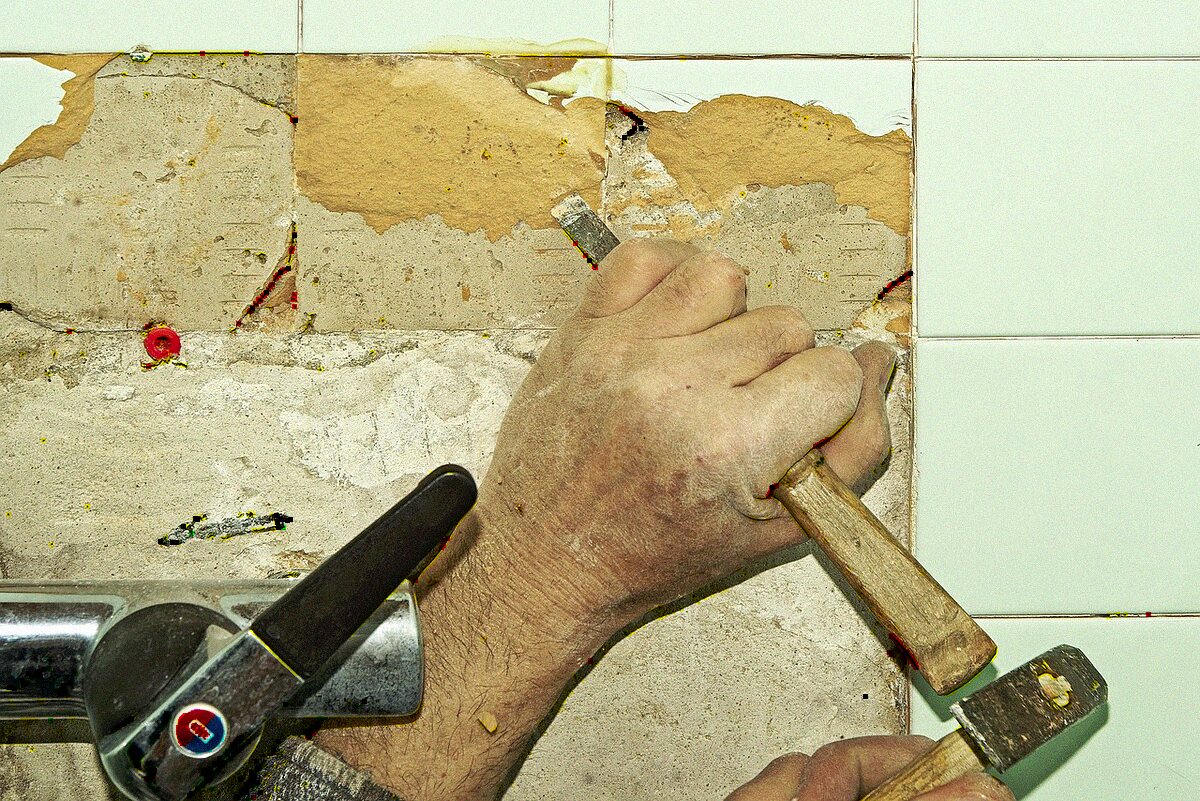
Why the Handoff Is Where Jobs Stall
Mitigation and reconstruction are different kinds of work on different clocks. Mitigation is an emergency response measured in days, with a small crew, its own equipment and a scope that is largely determined by physics. Reconstruction is a construction project measured in weeks, involving materials with lead times, multiple trades in sequence, and frequently a second authorisation based on what was found once things were opened up.
They are usually authorised as two separate stages for that reason. Mitigation is agreed and begun quickly because delay makes the damage worse. Reconstruction is scoped after drying, when the full extent is visible, and agreed separately. That gap between the two approvals is where the silence happens.
What prevents it is knowing four things before the drying equipment leaves: who is performing the reconstruction, what the scope covers, what has been authorised, and what the schedule looks like. Asking for those while everyone is still on site is considerably easier than chasing them afterwards.
What Reconstruction Covers
- Drywall: hanging new board where flood cuts were made, then taping, floating and sanding
- Texture matching, which on the orange peel and knockdown finishes common in this area is a specific skill and the most visible failure point of a poor repair
- Painting, either the repaired area cut in to a break line or the full wall or ceiling plane where a patch would read
- Baseboard, casing and trim, replaced and finished, or refitted where it was removed intact
- Flooring: replacement of carpet and pad, tile, vinyl, laminate or hardwood, and refinishing where hardwood was dried and saved
- Cabinetry, including kick panels and boxes where particleboard construction took water and swelled
- Countertop removal and refit where cabinets beneath had to be replaced
- Insulation replacement in the cavities where wet material was removed
- Doors and door frames, which swell and bind after prolonged wetting
- Tile and grout work, including shower and bath assemblies where waterproofing failed
Two items on that list cause most of the dissatisfaction with an otherwise competent job. Texture matching is the first: a patch can be structurally perfect and still read as a patch because the texture pattern or the spray density differs. The second is paint, because existing paint has aged and a colour-matched patch frequently does not blend under natural light. On both, painting or texturing the full plane rather than the patch gives a better result, and it is worth deciding that deliberately at scoping rather than being disappointed afterwards.
Matching Materials in Costa Mesa Housing
A practical difficulty in older housing is that the original materials are frequently no longer available. With roughly 68 percent of Costa Mesa housing built before 1980, that comes up regularly. Discontinued tile, a hardwood species or grade no longer stocked, cabinetry from a manufacturer long gone, and trim profiles that are not current stock.
There are a few honest ways to handle it, and they are worth knowing about before someone makes the choice for you. Salvaging material from an inconspicuous area, a closet floor or behind an appliance, to patch a visible one, and using current stock in the hidden location. Replacing to a natural break line, such as a doorway, so the transition is deliberate rather than a mismatch mid-room. Or replacing the full area, which costs more and looks right. Which of those applies is a decision worth being consulted on rather than discovering.
In condominium and apartment stock, which accounts for around a third of the city's housing, association rules add a further constraint. Many associations specify acoustic underlay requirements for hard flooring, so a like-for-like replacement can turn out not to comply with current requirements that the original installation predated. Checking that before ordering material avoids an expensive reorder.
Nothing Gets Closed Up Over Wet Material
The one non-negotiable sequencing rule is that reconstruction starts after the structure has reached a documented dry standard, verified by readings rather than by how a surface feels. New drywall over a wet cavity, or new flooring over a slab that is still releasing moisture, produces exactly the same job again in a few months, with growth behind a finish that is now new.
Where mold was present, clearance verification comes before rebuild for the same reason. The order is drying, then verification, then rebuild, and pressure to compress that sequence is understandable when someone has been living in a stripped room for a fortnight. It is still the wrong trade to make, and the readings are what make the decision a fact rather than a judgement call.
Tell Us What Has Happened
The line is answered 24 hours a day, every day of the year. If water is still running, shut off the main first, then call.
Why Costa Mesa Property Owners Choose Us
The Handoff Is Written Down Before Drying Ends
Who performs the reconstruction, what the scope covers, what has been authorised and what the schedule looks like, all confirmed while the drying equipment is still on site. The months-long stall between mitigation and rebuild is the most consistent complaint about this trade, and it happens in the gap between two separately authorised stages rather than because anyone stopped caring. Asking early is what closes the gap.
Texture and Paint Are Treated as the Visible Half of the Job
A structurally perfect patch still reads as a patch if the texture density or the aged paint does not match, and orange peel and knockdown finishes are unforgiving. Where a patch will show, painting or texturing the whole plane is the better outcome, and that gets raised at scoping as a decision for you to make rather than presented as finished work you are expected to accept.
Rebuild Starts After a Documented Dry Reading
New board over a wet cavity and new flooring over a slab still releasing moisture reproduce the entire job within months, with growth behind a brand new finish. Reconstruction begins after readings confirm the dry standard, and after independent clearance where mold was present. The pressure to start sooner is completely understandable after a fortnight in a stripped room, and it is still the wrong trade.
A common call where the rebuild had stalled
The situation: a Costa Mesa condominium dried out after a supply line failure, equipment removed on schedule, and then eleven weeks with no reconstruction start date. Cut drywall in two rooms, no flooring, and an owner who could not get a straight answer about the sequence.
What gets done: the position was established first: the mitigation had been agreed and completed, and the reconstruction scope had never been submitted at all, so there was nothing to approve. A scope was documented against the actual damage, submitted, and the association's flooring requirements checked before material was specified, since the original underlay predated current acoustic rules. Moisture readings were retaken to confirm the structure was still at standard after the delay before any board went up.
The result: the rebuild has an approved scope and a schedule instead of an open-ended wait, the flooring specification complies with the association requirements rather than being reordered later, and the readings confirm the property is dry before it gets closed up.
Before you sign anything, know the warning signs
A short guide to the things that separate a straight operator from a bad one in this trade, plus how to check a California contractor licence in about two minutes.
Frequently Asked Questions
How long does reconstruction take?
It depends on what was removed, material lead times and how many trades are in sequence, so a date before scoping would not be meaningful. What is reasonable to expect is a written scope and a schedule once the extent is known, and to be told which parts are waiting on material and which on approval. The stalls in this trade are usually caused by an unsubmitted scope rather than by the building work itself.
Will the repair be invisible?
Structurally yes, cosmetically it depends on texture and paint. Orange peel and knockdown textures can be matched closely but a patch sometimes still reads under raking natural light, and existing paint has aged in a way a colour match does not replicate. Where that matters, texturing or painting the full wall or ceiling plane gives the better result, and it is worth deciding that at scoping.
My tile is discontinued. What are the options?
A few, and it is worth being consulted rather than having one chosen for you. Salvage matching tile from an inconspicuous area such as a closet and use current stock there instead. Replace up to a natural break line like a doorway so the transition is deliberate. Or replace the whole floor area, which costs more and looks right. Which is appropriate depends on how visible the area is and what your policy covers.
Can the rebuild start while the drying finishes?
Parts of the preparation can overlap, such as scoping, approvals and ordering material, and that is genuinely worth doing to compress the timeline. What cannot start is closing anything up, because new board over a wet cavity reproduces the whole job in a few months. The readings determine when that line is crossed.
Do you do the rebuild or is that someone else?
That is exactly the question worth asking on any water damage job, and it should be answered in writing before the drying equipment leaves rather than afterwards. Mitigation and reconstruction are frequently performed by different crews, and the gap between them is where jobs stall. Whoever is doing it, you should know who, what the scope is, and what the schedule looks like.
Related Services
Water Damage Restoration
Full water damage response for Costa Mesa homes, from the first extraction pass through to drying, clearance and repair.
Read more →Structural Drying and Dehumidification
Air movers and refrigerant dehumidifiers sized to the room, with daily moisture readings until the structure is genuinely dry.
Read more →Hardwood and Carpet Drying
Specialist drying that saves flooring where it can be saved, and says plainly when it cannot.
Read more →Mold Remediation
Containment, removal and clearance for the growth that follows water left wet longer than about two days.
Read more →See all 14 water damage services, or start from the Costa Mesa water damage overview. Background on how the business works is on the about page.